Mail-in voting remains one of the most secure, reliable, and accessible ways Americans participate in democracy—and it works because of the people and systems behind it.
At its core, voting by mail improves the voting experience. It allows voters to cast a ballot when and how it is most convenient, without the pressure of long lines or limited polling hours. Voters can take the time to review candidates, research ballot measures, and make informed decisions at their own pace. That flexibility leads to stronger participation. Turnout increases.
Low-propensity voters are more likely to engage. And more voters complete the full ballot, which is especially important in local elections and ballot initiatives that directly affect communities.
That system depends on the coordinated, nonpartisan work of the United States Postal Service and its unionized workforce, including the National Association of Letter Carriers, the American Postal Workers Union, and the National Postal Mail Handlers Union.
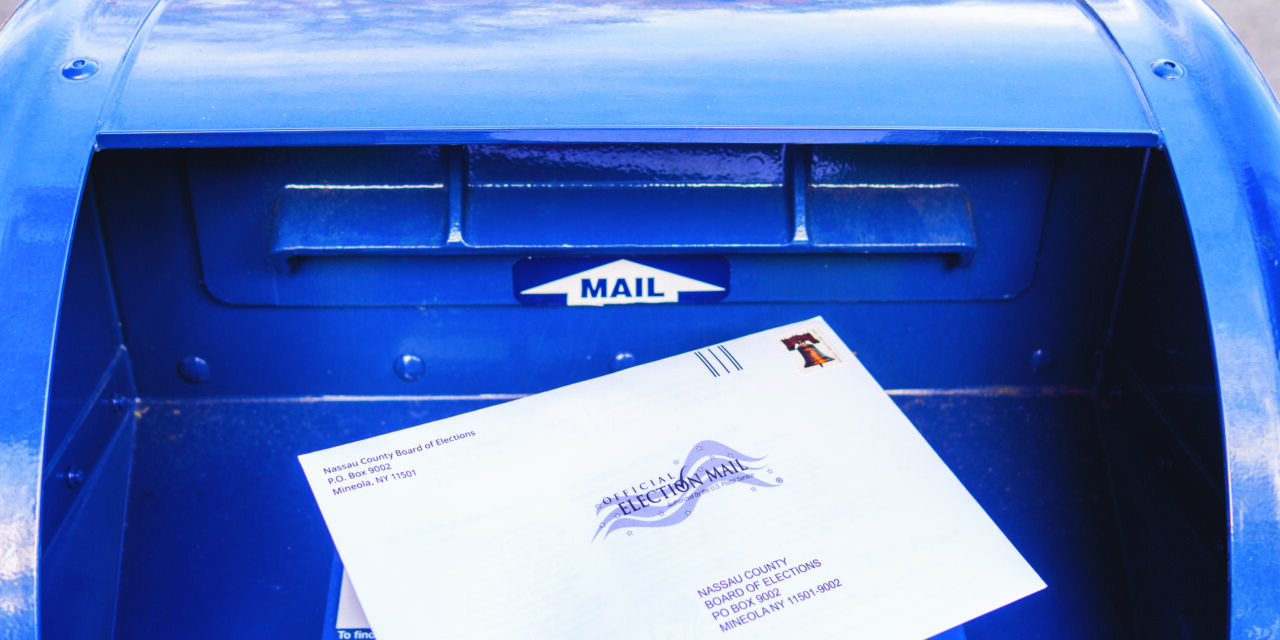
Each plays a distinct and essential role. Mail handlers move and process ballots through sorting facilities. Postal clerks and plant workers ensure ballots are properly processed and routed. Letter carriers complete the final step, delivering ballots to voters and returning them to election officials. Together, they form a seamless chain that keeps election mail moving securely and efficiently across the country.
Just as important is what the Postal Service does not do. USPS does not set election rules, determine deadlines, design ballots, or count votes. Those responsibilities remain with state and local election officials. The role of the Postal Service is clear: transport, process, and deliver ballots and political mail in a strictly nonpartisan manner.
During election season, that mission is backed by extraordinary effort. In the final weeks before Election Day, USPS implements nationwide “extraordinary measures” to ensure ballots move quickly, even when they are mailed close to deadlines. In 2024, those measures included extra deliveries and collections, special pick-ups, expedited sorting plans, and local transportation adjustments to speed ballots to election offices. These efforts began weeks before Election Day and continued through each state’s ballot acceptance deadlines.
Year-round practices reinforce that commitment. Election Mail is prioritized ahead of standard marketing mail. Daily system checks ensure all election mail is accounted for and moving on schedule.
Consistent, Measurable Results
In the 2024 general election, USPS processed at least 99.22 million ballots and more than 3.3 billion pieces of political and election mail. Ballots moved quickly, with an average delivery time of 1.95 days from election officials to voters, and less than one day on average from voters back to election officials. Nearly 98 percent of ballots were delivered within three days, and more than 99.6 percent arrived within five days.
These numbers build on a strong track record. In 2020, USPS processed at least 135 million ballots, with nearly 98 percent delivered within three days and 99.7 percent within five days.
Security is equally strong. Documented cases of fraud in mail-in voting are extremely rare. A 2025 analysis by the Brookings Institution found fraud accounted for just 0.0000043% of mailed ballots—about four cases per 10 million votes. Earlier research from the American Statistical Association found no evidence that voting by mail increases the risk of fraud.
Mail-in voting is also widely used beyond the United States. More than 30 countries allow postal voting, including Canada, Germany, and the United Kingdom. Domestically, 28 states allow no-excuse vote-by-mail, and several states and the District of Columbia conduct elections primarily by mail.
For the workers who power this system, the mission is simple: deliver the mail, serve the public, and do it without bias.
As NALC Secretary-Treasurer Nicole Rhine put it, “Every ballot is treated like any other piece of important mail—handled securely, delivered on time, and without regard to politics. That’s what the public expects, and it’s what our members deliver every day.”
The evidence is clear. Mail-in voting increases access. It strengthens participation. It operates securely. And it is upheld by a professional, union workforce committed to getting every ballot where it needs to go—safely, securely, and on time.